

.svg)
.svg)



%201.webp)









Backed by global certification standards in intelligence training
.svg) One of only several IAFIE certified courses in the world.
One of only several IAFIE certified courses in the world.- Built to current Five Eyes intelligence standards.
- CPD-accredited to take your professional development further.
- This is the industry leading analyst qualification course.

IAFIE Certified
The IACC is certified to meet the strict content standards of the International Association for Intelligence Education. We are one of the very few training programmes to have this certification, so you can have confidence in the credibility to what we deliver.
CPD Accredited
The IACC is CPD accredited by an independent international body. This ensures that the learning design, frameworks and instructions meets the rigorous requirements expected for professional development.
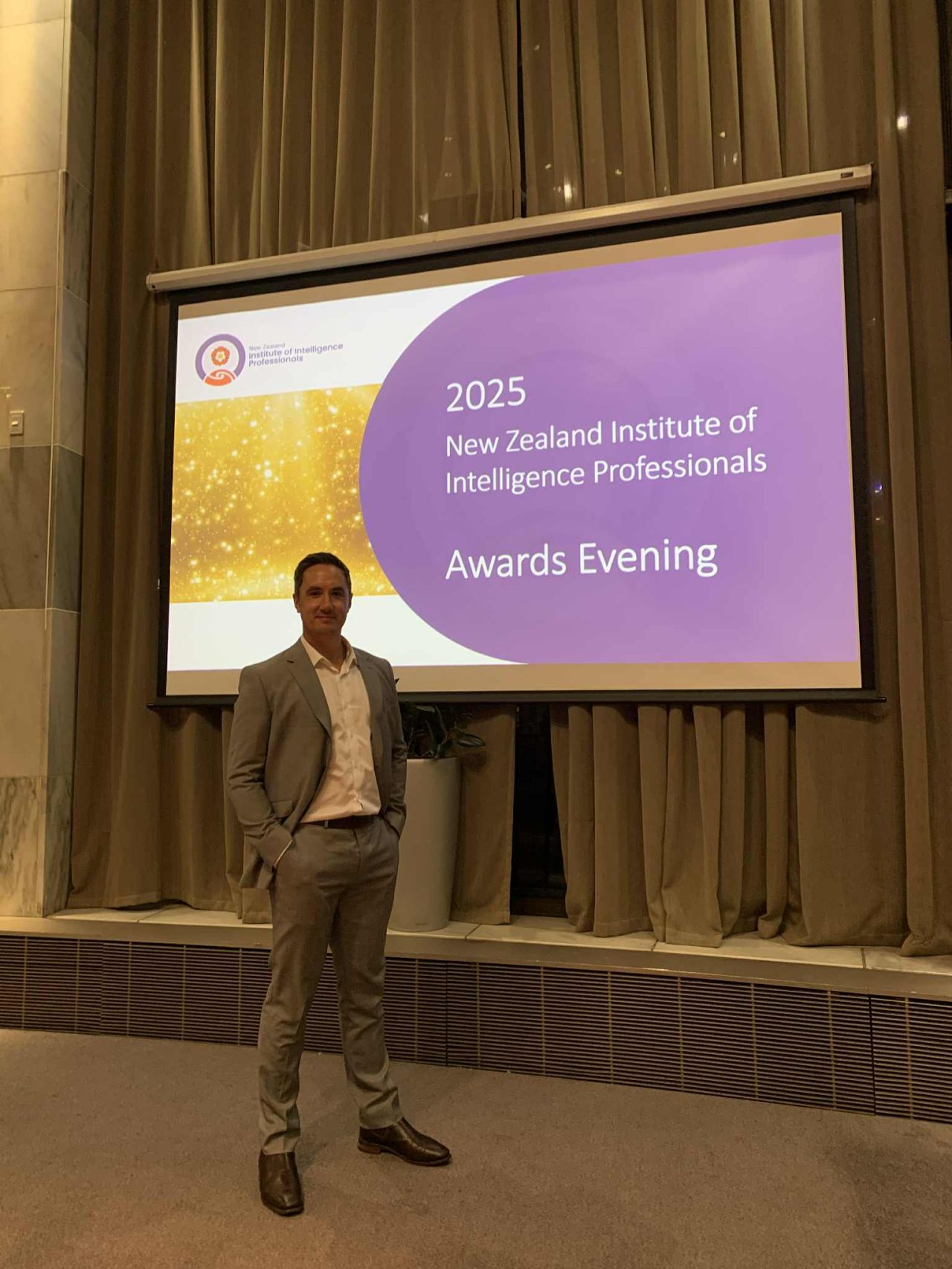
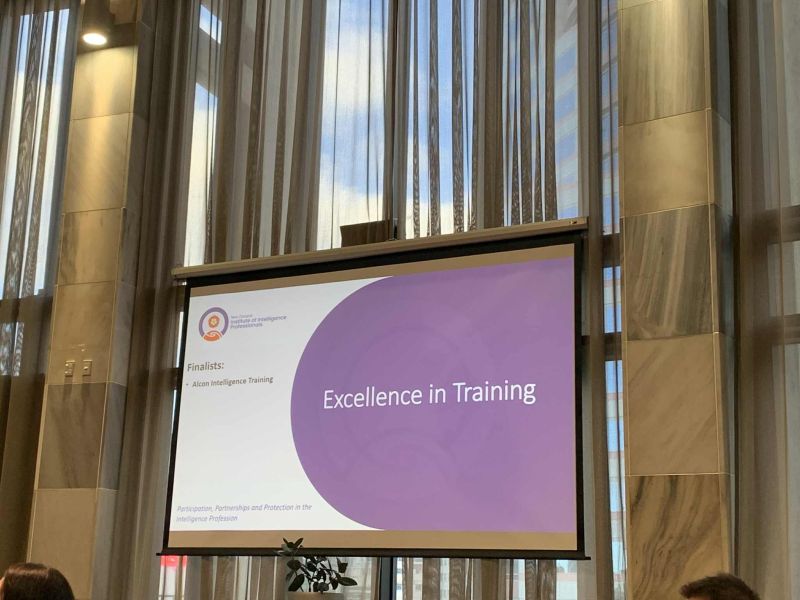
Finalist for 2025 New Zealand Institute of Intelligence Professionals - Excellence in Training Award
ALCON Intelligence Ltd was a finalist for the Excellence in Training Award, recognising leadership in advancing intelligence training in New Zealand. We were shortlisted alongside much larger government agencies and private organisations, which speaks to the quality, rigour, and impact of our programmes.

We know why you're here
You might already have a career in cyber, security, military, law enforcement, government, or academia - or you might be coming from a completely different path.
Maybe you’ve studied it. Maybe you’ve been exposed to it on the job. Or maybe you’ve only followed it from the outside. What you want now is the practical side — the real tradecraft that prepares you to operate with credibility.
The challenge
Most training sits at one extreme or the other. Academic courses build theory but leave you short on applied skills. Short workshops give you surface-level tips but no depth. Learning “on the job” is slow, risky, and unreliable. In an intelligence role, mistakes can have consequences that go far beyond a bad report.
The Intelligence Analyst Certification Course (IACC)
The IACC closes that gap. In just 8 weeks, you’ll work through a hands-on, standards-based program designed to get you job-ready. You’ll build and apply core intelligence skills from day one — ultimately becoming a certified intelligence analyst trained to international standards.
Your next step
Whether you’re building on years of experience or starting fresh, the IACC gives you the skills, confidence, and credibility to operate as an intelligence professional in today’s fast-moving threat environment.
Student results speak for themselves
Our alumni of students from across the world have all benefited immensely from the IACC. Here's what a few have to say:

I found the IACC course to be an exceptional learning experience that has significantly strengthened my foundation as an intelligence analyst. The course was well-structured, comprehensive, and balanced theoretical frameworks with practical application. I particularly valued the way each module built upon the last, progressively developing both knowledge and analytical rigour. The course provided me with tools that I can apply not only in an intelligence context but also in my professional role as a corporate risk advisor. I would strongly recommend it to anyone serious about developing as an analyst.
Dan F.
As a full time university student, I knew it would be difficult to stay consistent, but Cole motivated me to enter the course and assured me my experience would be great at whatever pace I chose to work. As far as online courses go, the IACC course has a level of interactivity, practical exercise, and community that is seldom available, especially in the intelligence community. The expertise, support, and practical experience are worth the price ten times over. ALCON helped me discover my passion for strategy and intelligence, and for that I will be forever thankful.
Sam H.
I absolutely love the IACC! It's such a unique opportunity to develop and train the skills and mindset required of an intelligence analyst. I constantly think about the course and interact with the excellent and dedicated community every day, both during and after the course. The many exciting discussions I had with my colleagues on the course helped me to progress further. It is a positive and open community where everyone feels right at home. The atmosphere you have created in this course, Cole, is the essence of it. Thank you!
Claudio M.
Everything was well structured and engaging. The mix of practical methods and traditional frameworks broadened my perspective and gave me a stronger grasp of intelligence work. The story-driven approach kept me involved and made the learning feel real and memorable.
Ashley W.
The course was comprehensive and practical, blending theory with hands-on application. The structured model made it manageable while still challenging, and the focus on analysis methods sharpened my approach to complex problems. By the end I felt equipped with a strong foundation to produce clear, defensible, and useful intelligence assessments.
Michael D.
From the start this felt professional and easy to navigate. The content was clear, structured, and reinforced through the Iron Guardian and Resolute Horizon scenarios. The community added real value by giving space to share ideas and perspectives, making the whole course engaging and effective.
Daniel D.
I found the course far more practical than expected, with concepts applied to real scenarios and insights into how a Five Eyes analyst works. The feedback improved my clarity, confidence, and assessments, and the balance between guidance and independence was spot on.
Dennis D.
I’m getting far more practical training here than from my PDI courses. While PDI gave me a good base in intel and geopolitics, this course pushes my skills further with hands-on work. Nothing there came close to the depth and challenge of the Iron Guardian exercise.
John W.
I wanted to give you a massive thank you for creating this course. It's so well done and very professional!
As someone who is aspiring to the intelligence trade, I feel like things are really starting to make sense to me now. Once again, thank you so much for all your hard work in creating this course.
Eddie. G
The Intelligence Analyst Certification Course was essential for understanding and applying the tools and procedures of the intelligence cycle. The real scenario exercises and detailed feedback, especially in the final exercise, made it highly valuable. I fully recommend it for anyone aiming to work in intelligence.
Sergi C.
I honestly enjoyed the whole course and each new challenge. It was great confirmation of what I already knew and yet helped me refine my skills and learn a whole new set of skills, approaches and methods of working. It was really informative and actually fun.
Dan G.
Highly suggest looking into the IACC from Alcon Intelligence. I’ve had the pleasure to work with and more importantly learn from Cole and the learned experience that he has from his work in the IC. I look forward to all i can learn from the course and am excited for the future of Alcon Intelligence.
John L.
I can’t recommend Alcon Intelligence’s IACC enough. The hands-on training and tools gave me practical insights into how intelligence professionals work - unlike any other course I’ve taken. I only wish it had been available earlier in my intel journey.
John W.
Canada
The lessons are in a logical sequence and grow and develop as the learner progresses. The experience is good, and the videos load on my slow bandwidth government computer which is nice!
Matt M.
ALCON are true intelligence professionals and their training is top class. Cole and the team deliver the highest quality training programs and reports on the market and their graduates are trained and equipped to hit the ground running. Highly recommended.
Andrew R.
United States
I’ve completed several university and private intelligence courses, and this stands above them all. The engaging, challenging material and realistic scenarios gave me a deeper understanding of the complexity of working in this field.
Peter H.
I enrolled in the IACC to build solid fundamentals and become more effective in my roles. The high-calibre material, strong sense of community, and genuine instructor interaction made it a standout learning experience. Completing it has been challenging, rewarding, and something I’m proud of.
Ed C.
Without a doubt, this has been one of the best trainings I’ve taken. The practical focus, realistic exercises, and personalised instruction made it immediately applicable to real-world scenarios. The strong learning community, ongoing engagement after the course, and flexible enrolment options made the experience even more valuable.
Nicolas K.
Everything was really well laid out and explained. The instructions for completing exercises were clear and easy to follow. I found this course really enjoyable and didn't feel like I was studying in the normal sense of studying. It was really well laid out, easy to use and the community of other course participants is a really great aspect of the course.
Ulli M.
The course was well-structured, with modules that built knowledge over time and linked from start to finish. Real-world examples, clear presentations, and detailed feedback made the learning engaging and easy to follow, while preparing us for the final exercises.
Leandro S.
This module exceeded my expectations, giving me a strong foundation in intelligence collection disciplines and practical tools for PIRs, SIRs, IRs, and tasking orders. The realistic exercises mirrored real planning workflows, and the clear, logical instruction kept me engaged throughout.
Dan F.
It was more expansive than I expected, with the collection plan as a strong simulation exercise. The briefings were a fun, hands-on addition, and the depth and practicality made it easy to see how I could apply the fundamentals in my own context.
Bart T.
The exercises were engaging and pushed me to think critically, giving me valuable hands-on skills that required thinking outside the box. The immersive approach made the learning memorable, and I especially enjoyed the reading material and how it tied into the exercises.
Biraro D.
I’m really enjoying the learning so far. The exercise material added depth, and knowing it’s from a credible source gave confidence in the quality. The layout is easy to follow, the content is engaging, and every skill feels directly relevant to the workplace.
Doug M.
Why you should choose the IACC

Industry Standards
All learning materials, lessons and teachings are built to Five Eyes industry standards.

Self-paced Material
Designed with busy professionals in mind, engage with the lessons at your own pace.

Eight Modules
Eight modules over eight weeks ensure a comprehensive but manageable learning experience.

Real-world Application
You'll engage with real world scenarios using analytical techniques that intelligence professionals use.

Community
Engage with instructors and other students our 100% in-house 'School of Intelligence' community.

Expert-led Instruction
Learn directly from someone who has trained, hired, and led intelligence analysts across all sectors.

Real Feedback
Throughout all exercises and assessments you'll receive constructive feedback from instructors.
Immersive Secnarios
All our training scenarios and exercises are immersive, using cutting edge AI technologies.

Meet Cole
In intelligence analysis, real-world skills matter. I know this firsthand. I'm Cole and my journey began in the military, where I mastered intelligence tradecraft in high-stakes environments, supporting special operations and domestic missions. Over the years, I’ve hired, trained, and developed analysts at every level - so I know what it takes to excel.
But I’ve also walked the academic path. University courses offered theory but lacked the practical skills analysts need on the job. That gap frustrated me - and inspired me to create a solution.
The Intelligence Analyst Certification Course (IACC) is built on current operational requirements. It delivers the real-world training missing from traditional education, ensuring you’re not just knowledgeable, but truly job-ready.
Bridge the gap. Train with a proven expert.
Build the intelligence career you’re meant for.
Cole is a proud member of IAFIE and NZIIP

Start your path to becoming a certified intelligence analyst
This is how we will transform you into a true intelligence professional
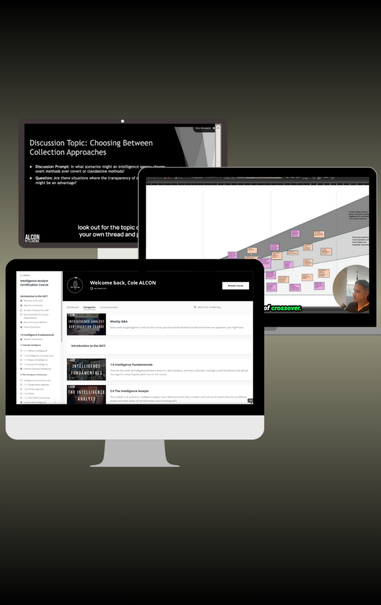
Industry Leading Intelligence Curriculum
The IACC delivers eight action packed modules, with over 85 lessons, 60 learning activities, 20 exercises and in-depth assessments.
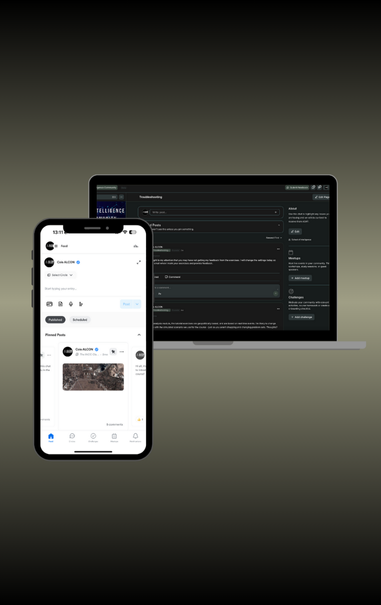
Dedicated and Thriving School Community
Join the IACC School of Intelligence Community to engage in continuous learning, skill-building, and collaboration with fellow students and expert instructors.
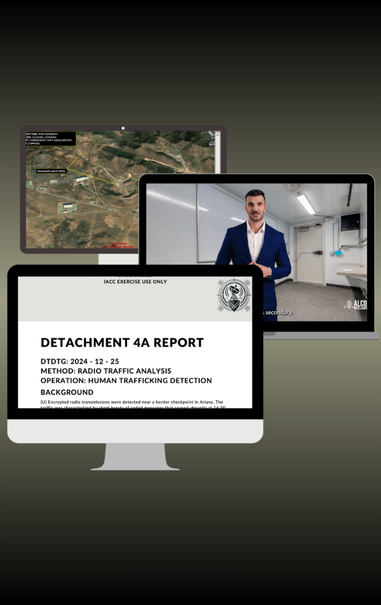
Immersive Real World Exercises
Solidy your learning through fully immersive exercises. Tackle high-stakes scenarios like stopping a missile strike in Iron Guardian or exposing a rogue nation’s illicit tech trade in Resolute Horizon.
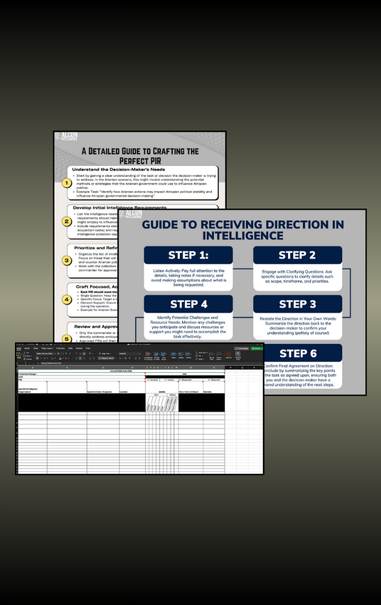
Extra Learning Resources and Guides
Throughout the course, you'll be provided with extra learning materials and free guides to help you along the way and then to use in your future intelligence career.
Plus these bonuses to enhance your learning:
- Live Weekly Q&A Calls – Get your questions answered in real time and deepen your learning.
- 1:1 Live Mentoring – Receive a complimentary hour of individualised mentoring.
- Intelligence Career Coaching – Receive tailored guidance to build your career in the intelligence field.
- Premium Certification Pack – Includes a hard copy certificate, detailed course report, custom ALCON folder, and an exclusive Challenge Coin.
- Direct Instructor Access – Enjoy real-time, personalised feedback to help you master your skills.
- Lifetime Course & Community Access – Revisit the material and community whenever you need to stay sharp.
- Internship Opportunities – Gain experience and bolster your CV with internship opportunites on sucessful completion of the IACC.
Eight comprehensive modules, tailored to ensure intelligence mastery
.svg)
Real world skills. Real world impact.
"Just this week I was brought in as an asset to an operation. This was the first time where I was able to combine both prior and taught IACC elements to tradecraft . Honestly, what you teach is solid, actionable and scalable. Critically the process helped generate an output that influenced a decision and effect with a favourable outcome."
Frequently asked questions
Didn’t find your answer?
No worries! If you have any other questions or need more information, feel free to reach out directly at info@alconintel.com
It's time to take action and join the IACC
Join an alumni of students from across the Five Eyes and NATO countries who have trusted ALCON and the IACC to transform them into professional and competent intelligence practitioners.
Registrations have now closed! However, we are currently accepting late enrolments on a case by case basis. If you would like to seek a late enrolment, please email info@alconintel.com.
Otherwise enter your details and join the waitlist below!
Still unsure and want to talk with our team?
On the fence and want to discuss the IACC in more detail? Have burning questions that need to be answered? Then hit the button below and setup a free, no obligation call with an ALCON team member. We'd love to meet and get to know you!